The Prosecutor’s Office and the Matenadaran have launched a two-day International Conference entitled “Medieval Roots of Modern Law: Mxit'ar Gosh's Lawcode in the World Memory”
29/10/2025
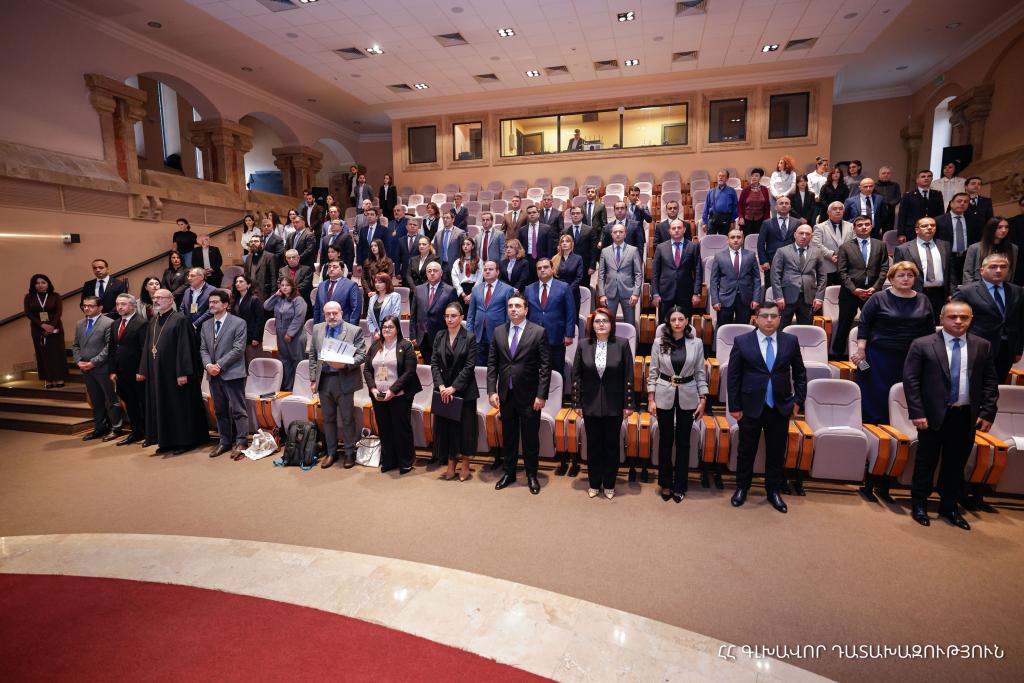
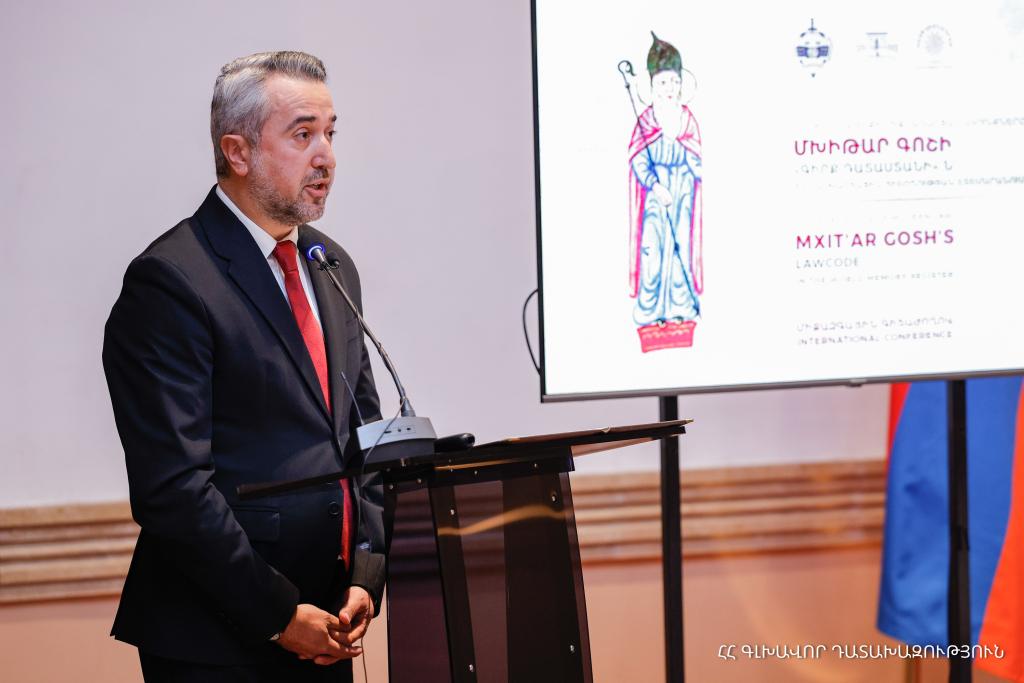
In cooperation with the Mesrop Mashtots Research Institute of Ancient Manuscripts — the Matenadaran — the Prosecutor’s Office of the Republic of Armenia today launched the two-day international conference entitled “Medieval Roots of Modern Law: Mxit'ar Gosh's Lawcode in the World Memory”.
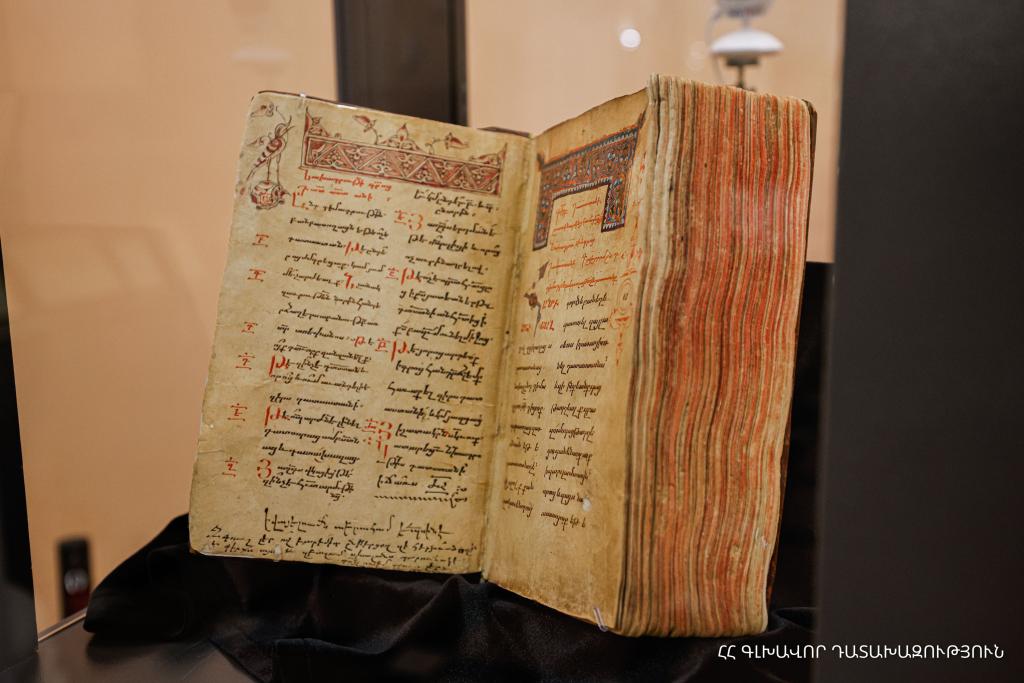
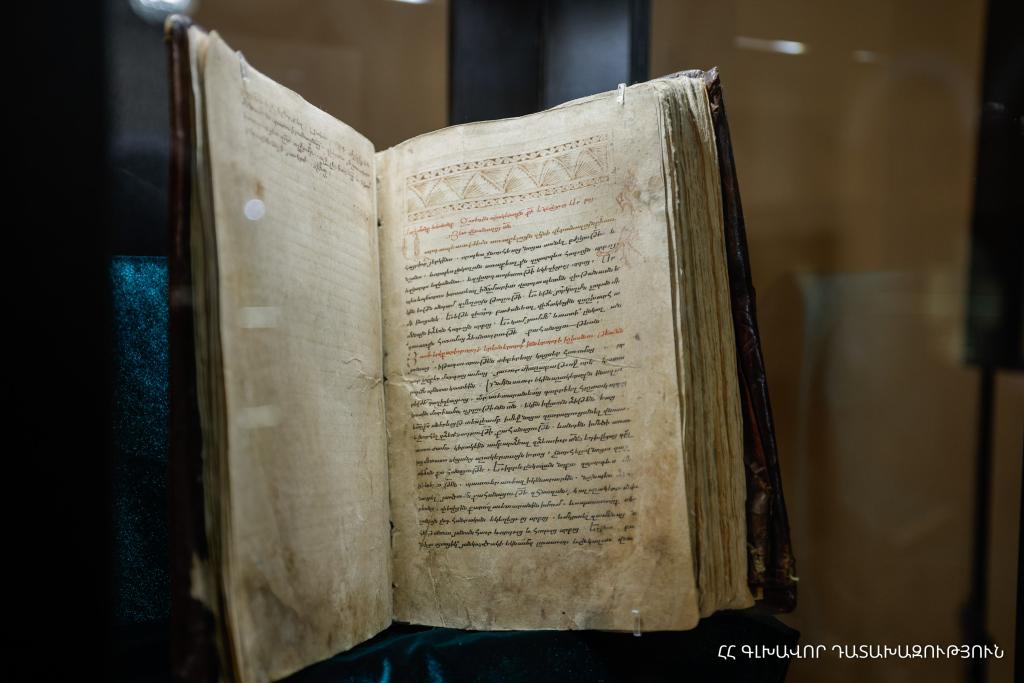
On April 10, at the request of the Matenadaran, within the framework of the 221st session of the UNESCO Executive Board, by a unanimous decision of the member states, the “Lawcode (Datastanagirk, Armenian Lawcode)” by the great 12th-century Armenian thinker, scientist, legislator, fabulist and educator Mkhitar Gosh was registered in the Memory of the World Register.
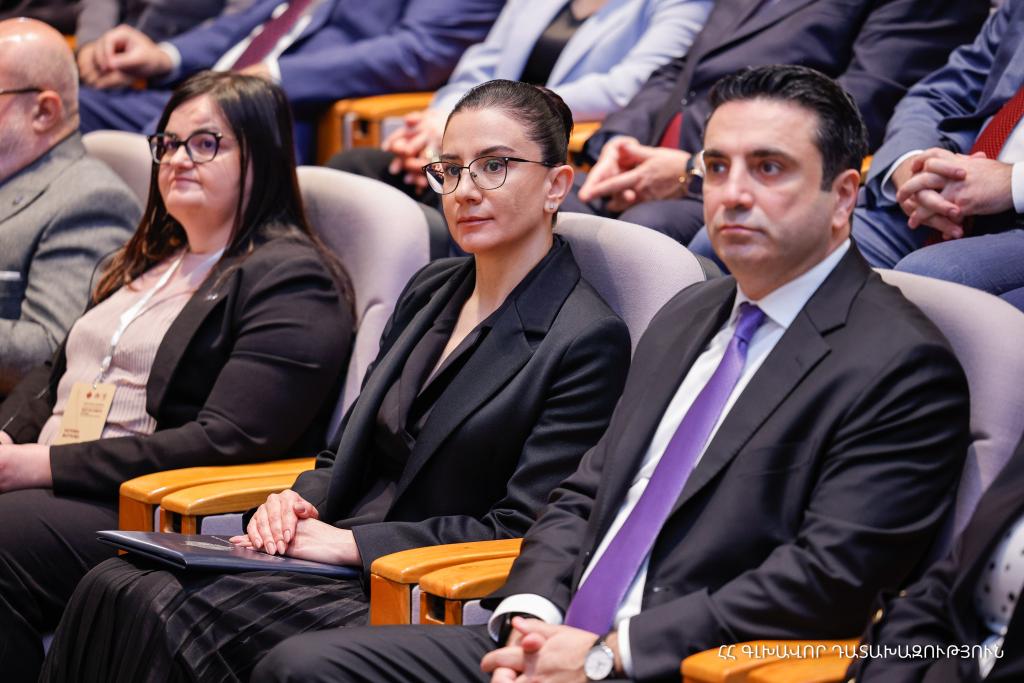
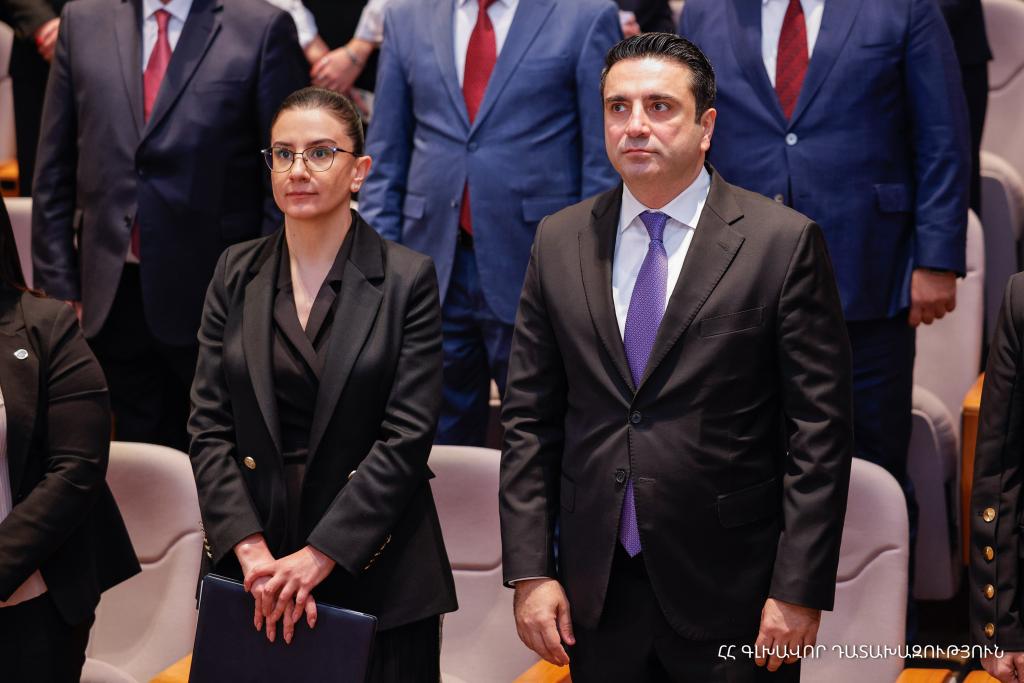
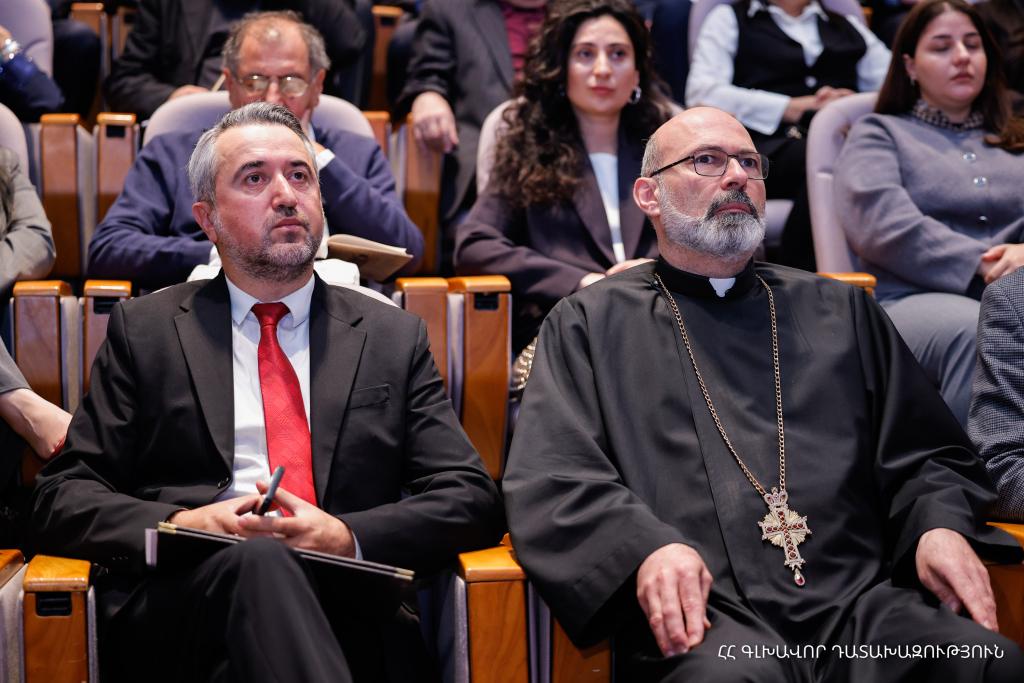
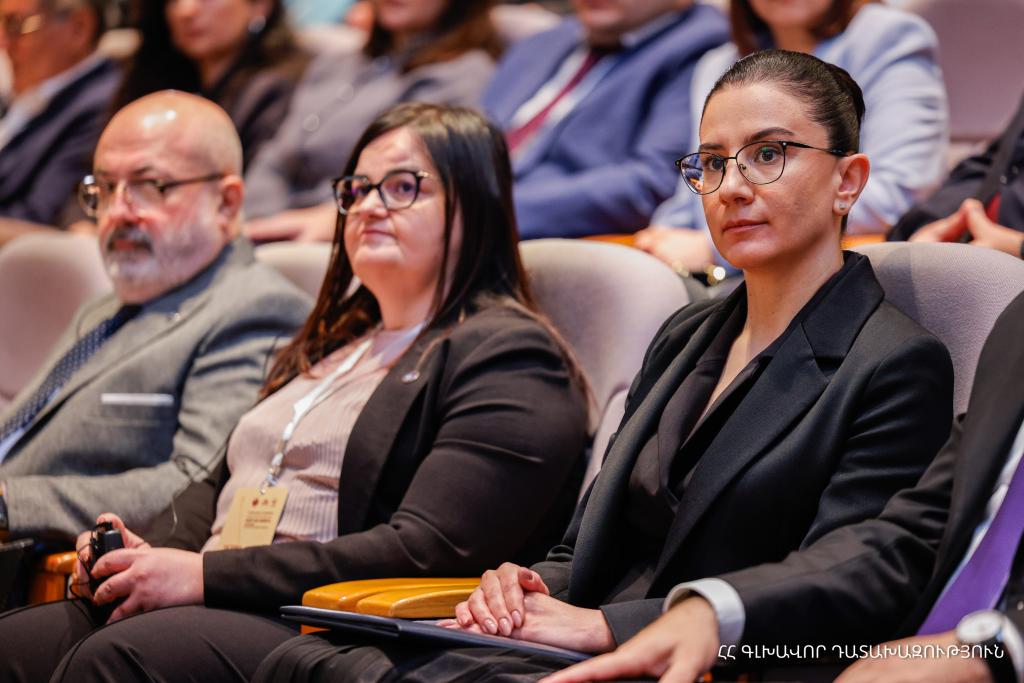
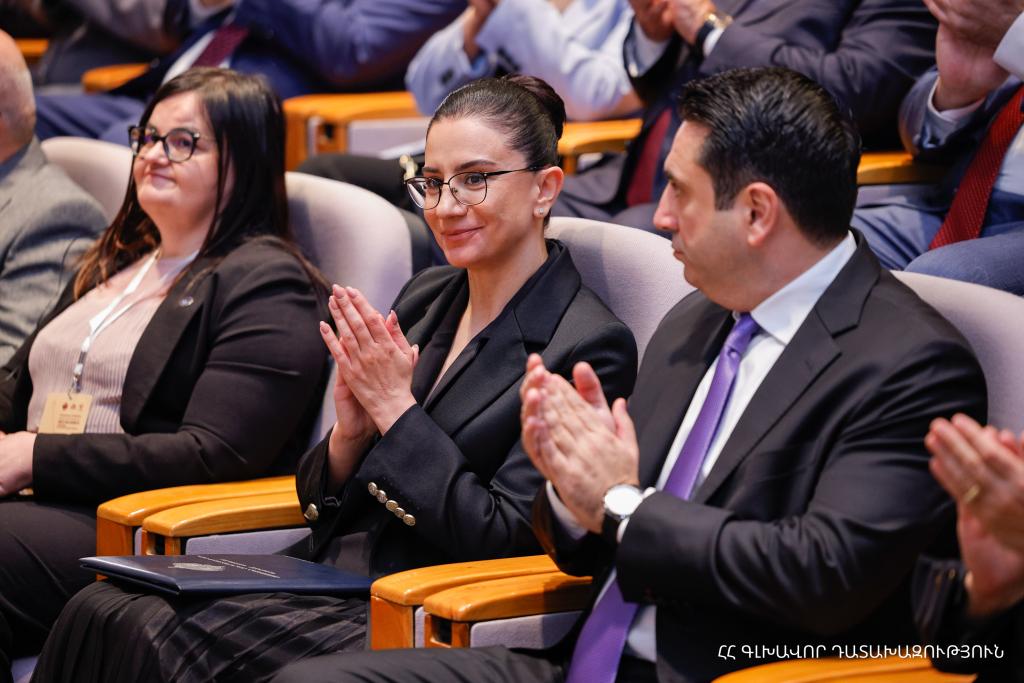
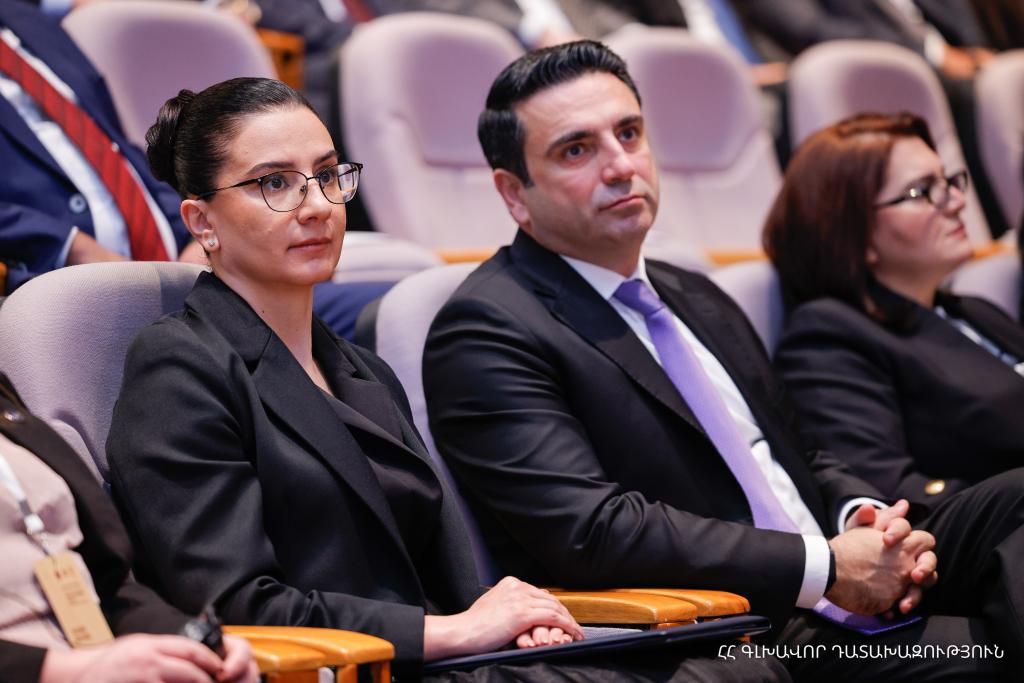
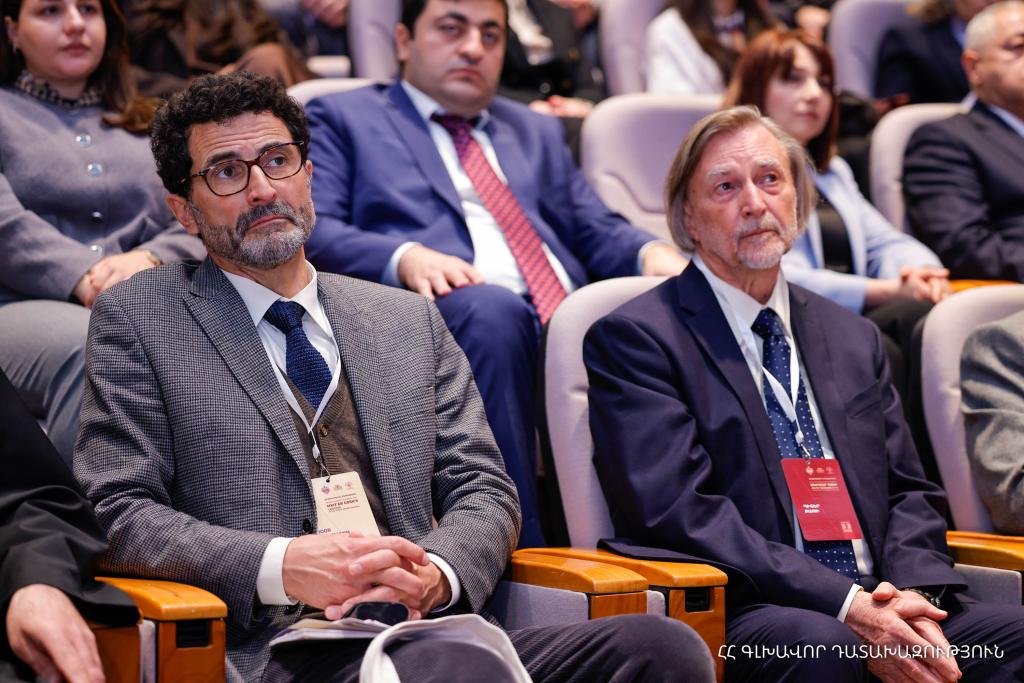
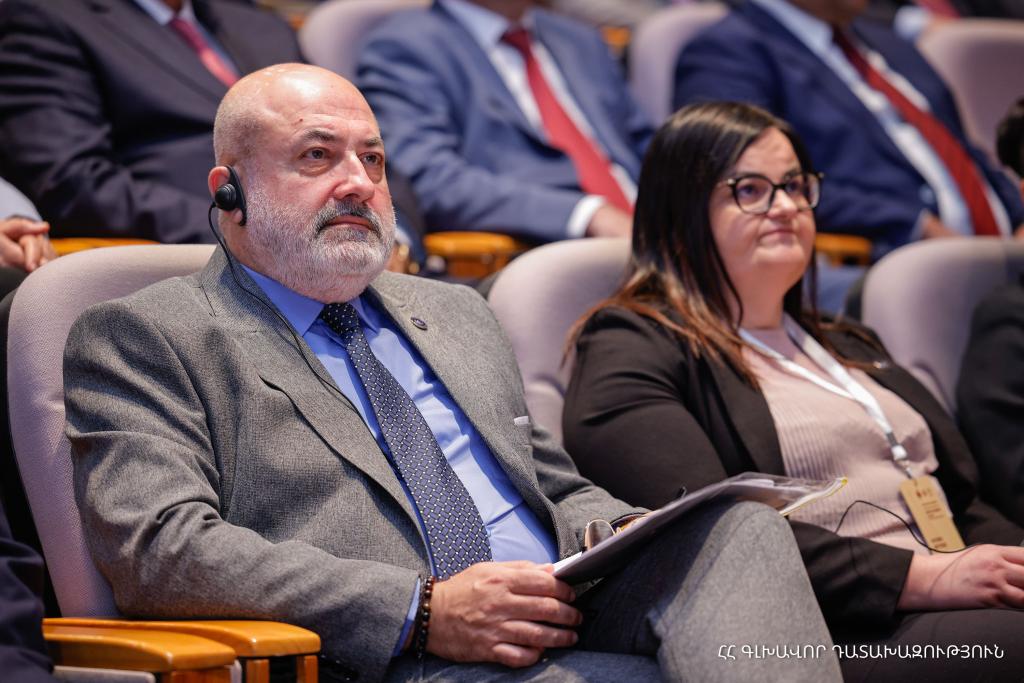
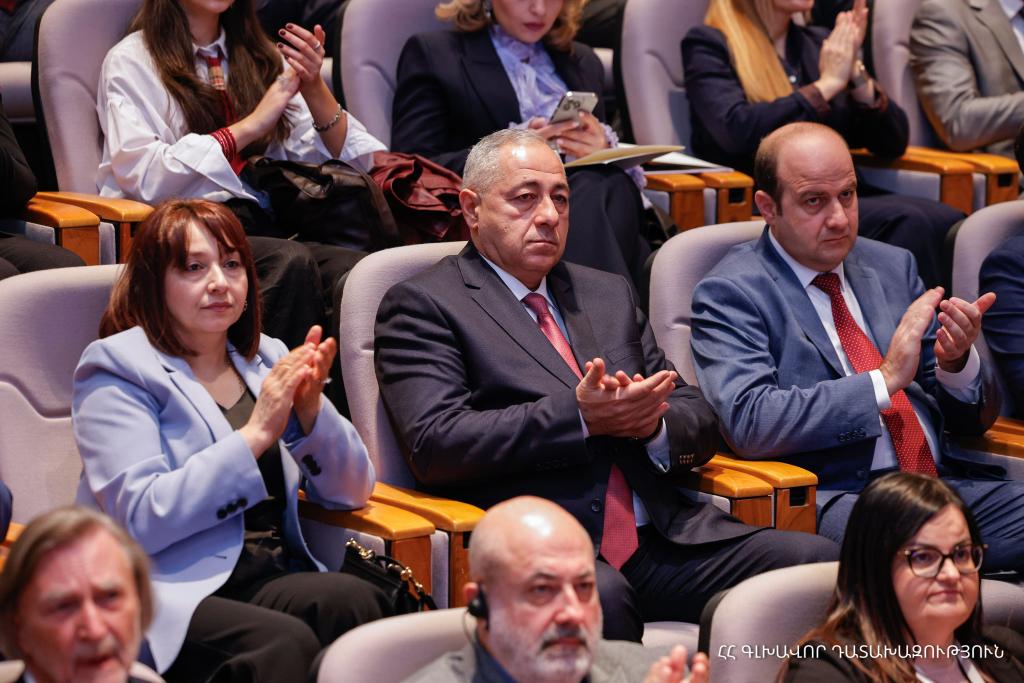
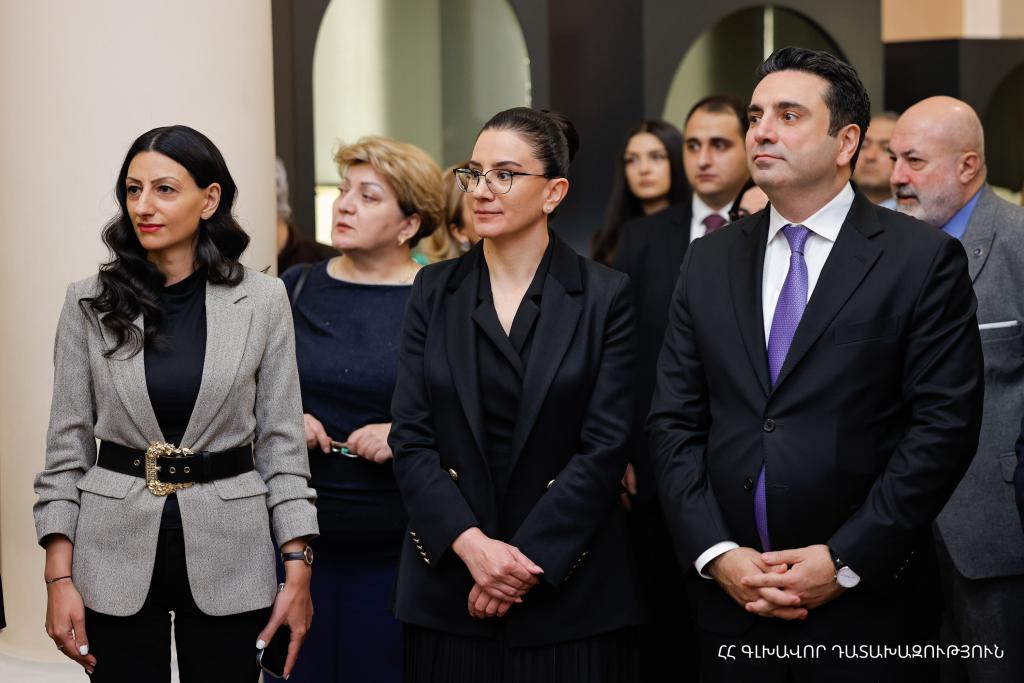
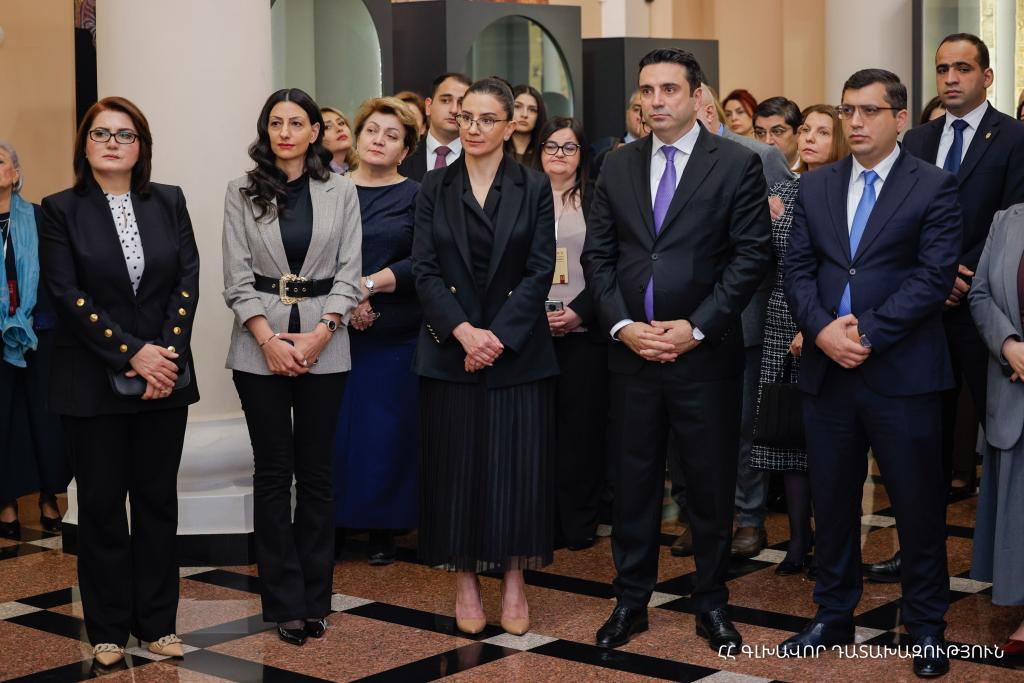
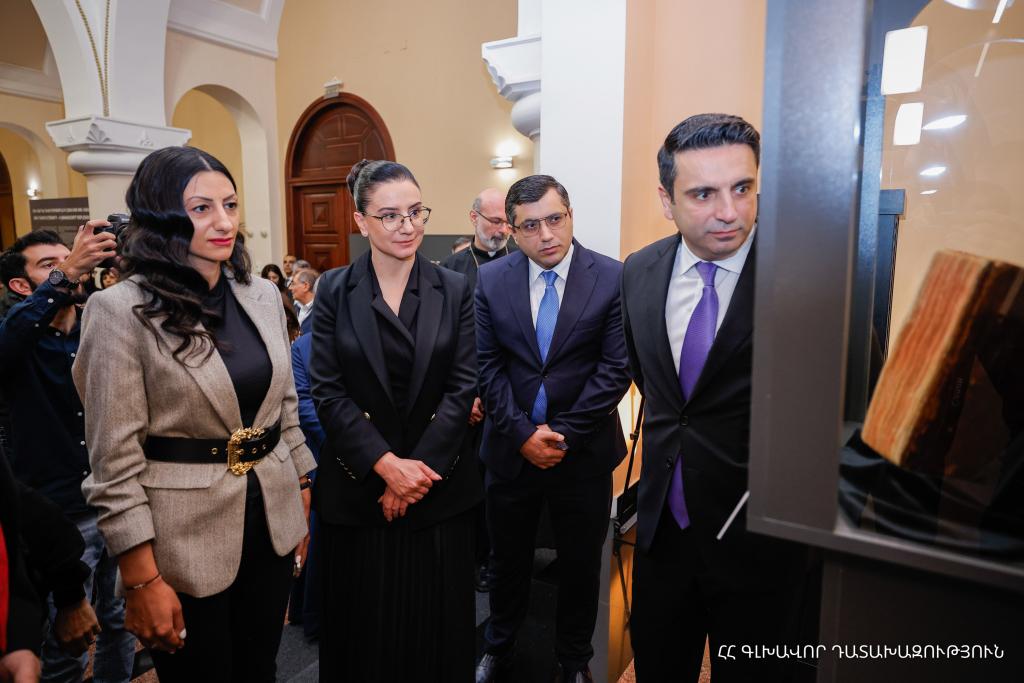
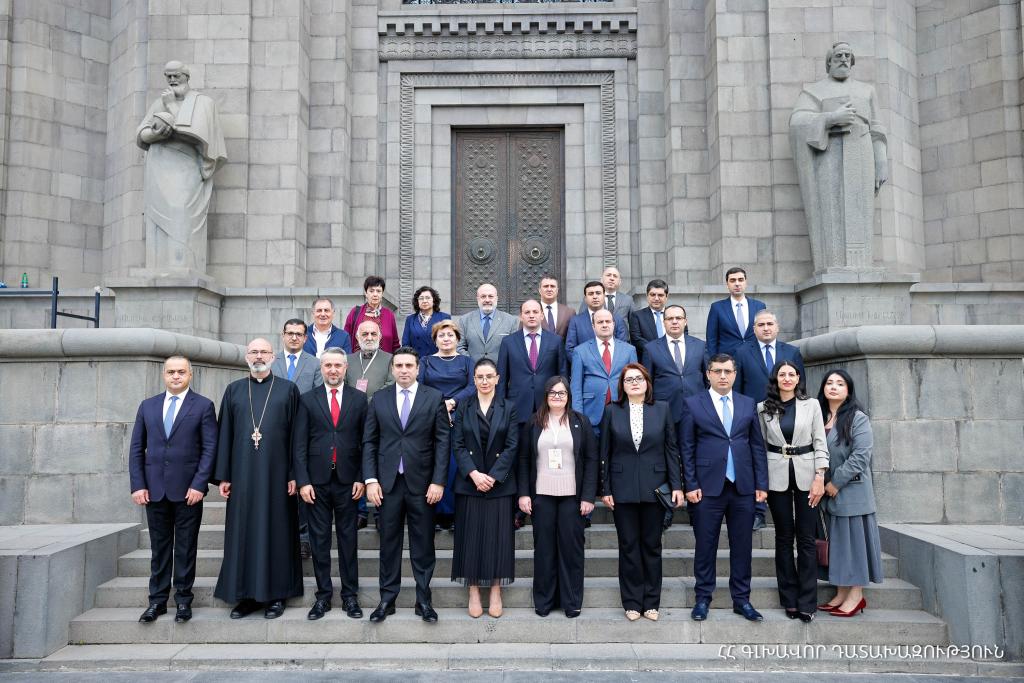
The International Conference was attended by Alen Simonyan, the President of the National Assembly of Armenia; Anna Vardapetyan, Prosecutor General of the Republic of Armenia; Anahit Manasyan, Human Rights Defender of the Republic of Armenia; Artur Nahapetyan, Chairman of the Anti-Corruption Committee; Ara Khzmalyan, Director of the Matenadaran; Victoria Buttigieg, Attorney General of the Republic of Malta; representatives of the executive and judicial authorities; Peter Cowe, Narekatsi Chair of Armenian Studies, UCLA; Igor Dorfmann-Lazarev, Lecturer, Sofia University; researchers of the Matenadaran; senior officials of the Prosecutor’s Office of the Republic of Armenia; representatives of international organizations; the scientific community and others.
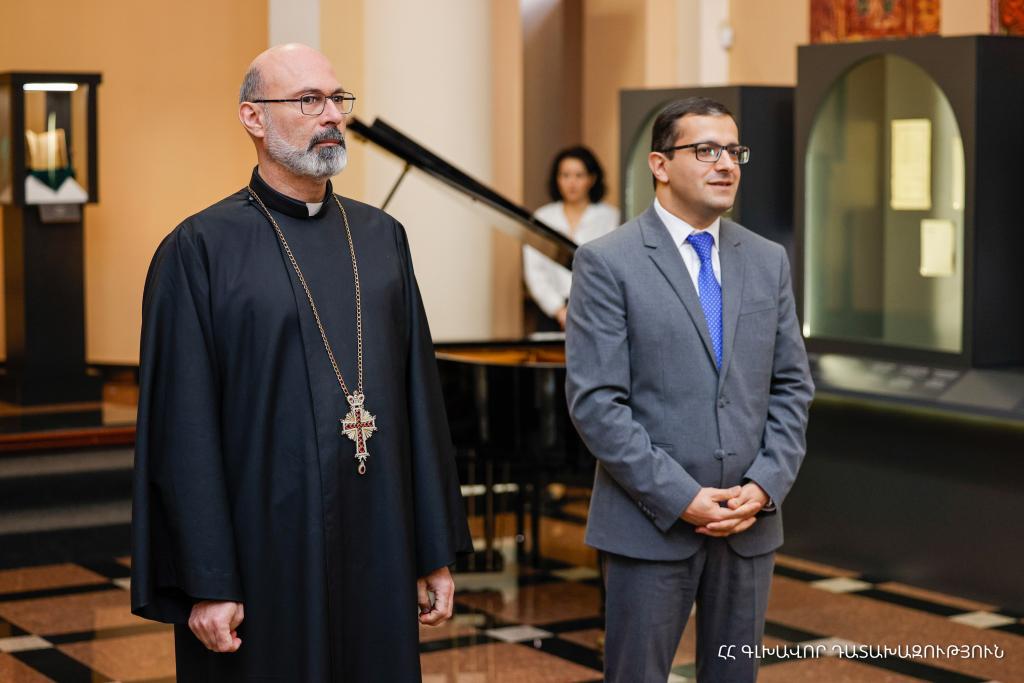
In his welcoming remarks, Ara Khzmalyan, Director of the Matenadaran, stated that this event dedicated to Mxit‘ar Gosh was unprecedented. “Through the cooperation between the Prosecutor’s Office of the Republic of Armenia and the Mesrop Mashtots Matenadaran, the scholarly and professional interests and objectives of Armenian studies, medieval studies and legal studies have intersected. Moreover, joint efforts have been united toward the international recognition of one of the most distinguished thinkers of medieval Armenia — Mxit‘ar Gosh — and his masterpiece, the Lawcode (Book of Laws). “Mxit‘ar Gosh’s Lawcode was created with a vision of restoring independent statehood and sovereignty. It is not merely a collection of legal norms, but a civilizational statement — one that Gosh himself clearly understood. Through the Lawcode, he secured a worthy place for the Armenian people among the great civilizations. Moreover, Gosh did not separate the idea of independent statehood and sovereignty from the principle of the rule of law — a concept that continues to resonate with the same force to this day. Fully aware of the influence of the external world — or, as we would say today, of geopolitical factors — on independent statehood, he attached no less importance to internal harmony and to the awareness of relying solely on one’s own capabilities. His profound understanding of human nature and social coexistence, his comprehensive knowledge and inexhaustible drive for self-education, along with his balanced, sober mind free from religious or doctrinal extremism, made him a figure of universal significance. It is no coincidence that the Lawcode has been translated into several languages — Latin, Polish, Kipchak, Georgian, and Russian. It is no coincidence that the Lawcode continues to captivate, with remarkable vitality, the institutions and individuals who uphold the ideals of human dignity, equality and justice. This was affirmed when, at the request submitted by the Matenadaran, and by the unanimous decision of the member states at the 221st session of the UNESCO Executive Board on April 10, 2025, Gosh’s Lawcode was registered in the Memory of the World Register.
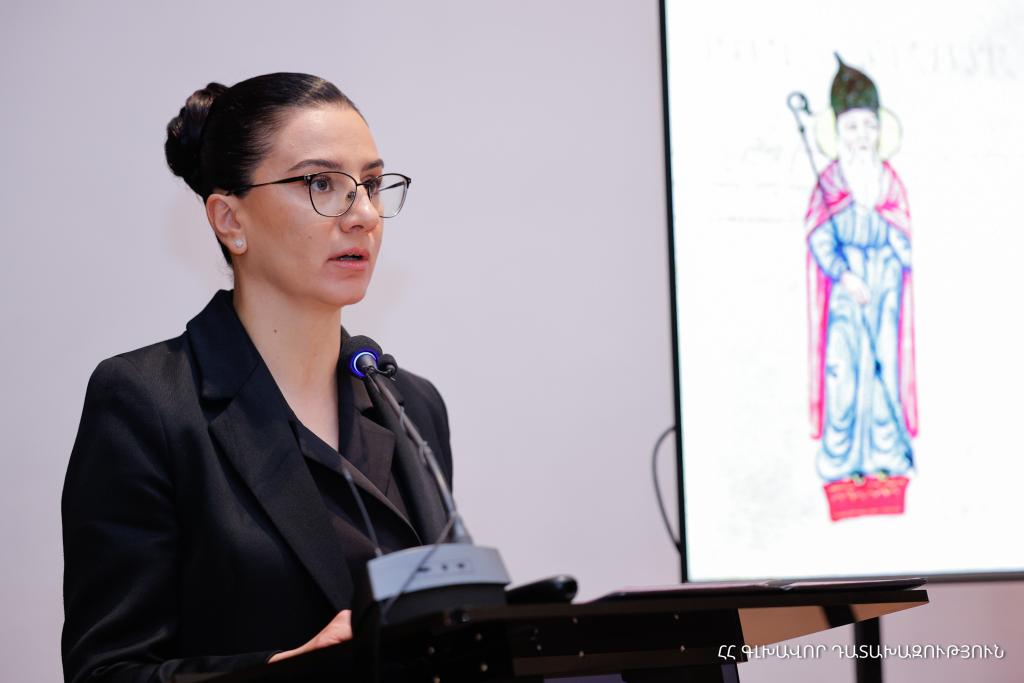
Prosecutor General of the Republic of Armenia Anna Vardapetyan welcomed the participants of the International Conference, noting that the purpose of the dialogue is not merely to honor Gosh. “We are confident that the reflections and outcomes following today’s conference will contribute to ensuring that Gosh’s legacy is recorded in the Memory of the World Register as a living and contemporary monument.”
In the most difficult times for our nation, Mxit‘ar Gosh had the courage to bequeath to us the Lawcode as an essential instrument for the self-regulation and self-preservation of the people. Today, our mission is more modest, yet no less important — to learn from him, and to translate and interpret his wisdom in the language of modern law.
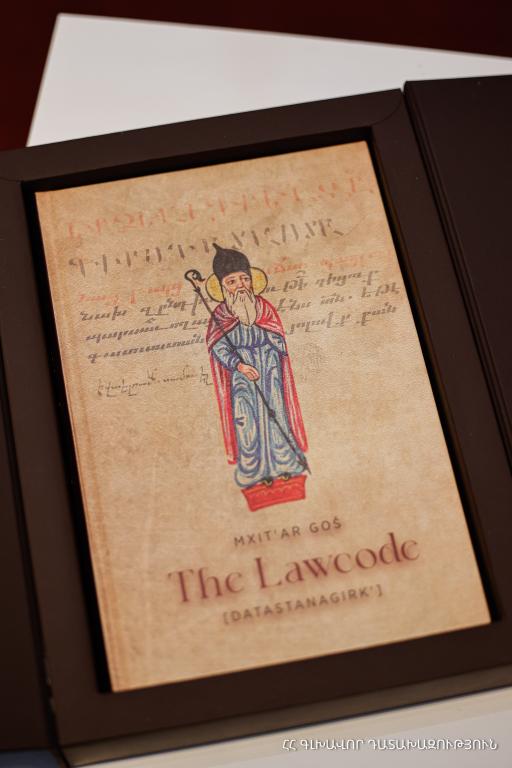
Today we are presenting to the professional community the republished English translation of Mxit‘ar Gosh’s Lawcode, prepared and published in cooperation with the Matenadaran and the “Kayts” Charitable Foundation.
In this 12th-century legal masterpiece, Gosh begins by presenting the twelve reasons for composing it, all anchored in a single message: “If human virtue were flawless, written laws would not be necessary for us; but since we are human, with all our imperfections, the law is essential.” He presents law as an instrument that compels a person to remain steadfast when human conscience wavers.
The Lawcode is a unique work of legal architecture — it codifies nearly every sphere of social relations, from matters of state governance to civil law, family and marriage law, criminal law, and the organization of the judiciary.
Within the framework of this conference, I would like to repeat a thought from the Lawcode that is especially important to me — one which I also had the honor of mentioning recently during my speech at the annual conference of the International Association of Prosecutors held in Singapore. In the Lawcode, Gosh emphasizes that “Justice flourishes when judges do not act alone, but consult the wisdom of others — for many eyes see the truth more clearly than one.” The Prosecutor General of the Republic of Armenia stressed this idea and wished the participants fruitful discussions.
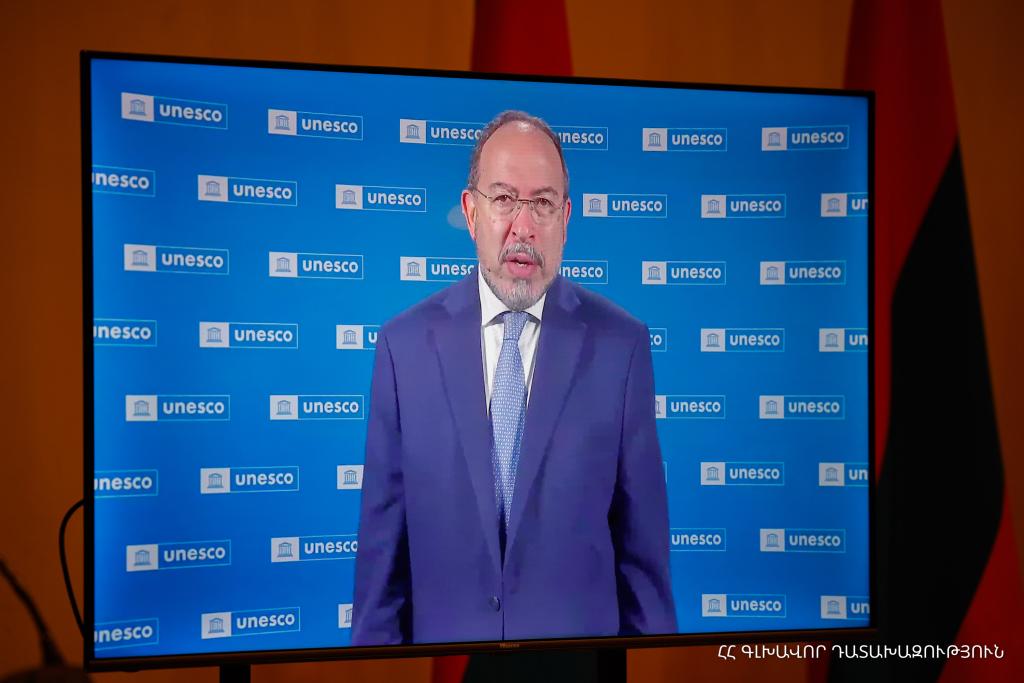
As part of the conference, a video message of greeting was delivered by Tawfik Jelassi, UNESCO Assistant Director-General for Communication and Information.
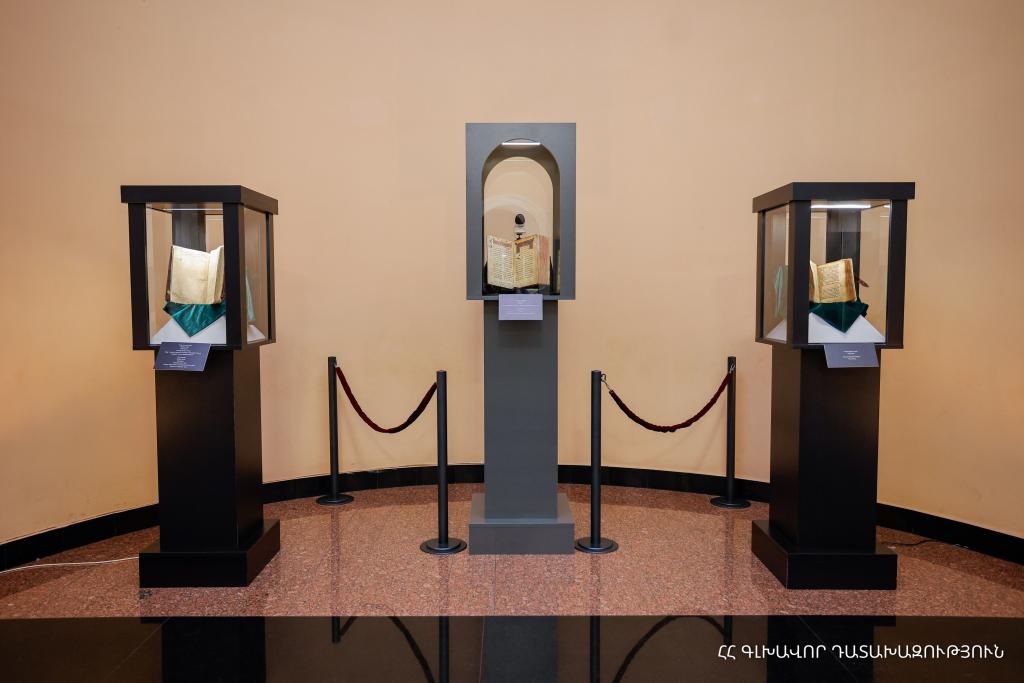
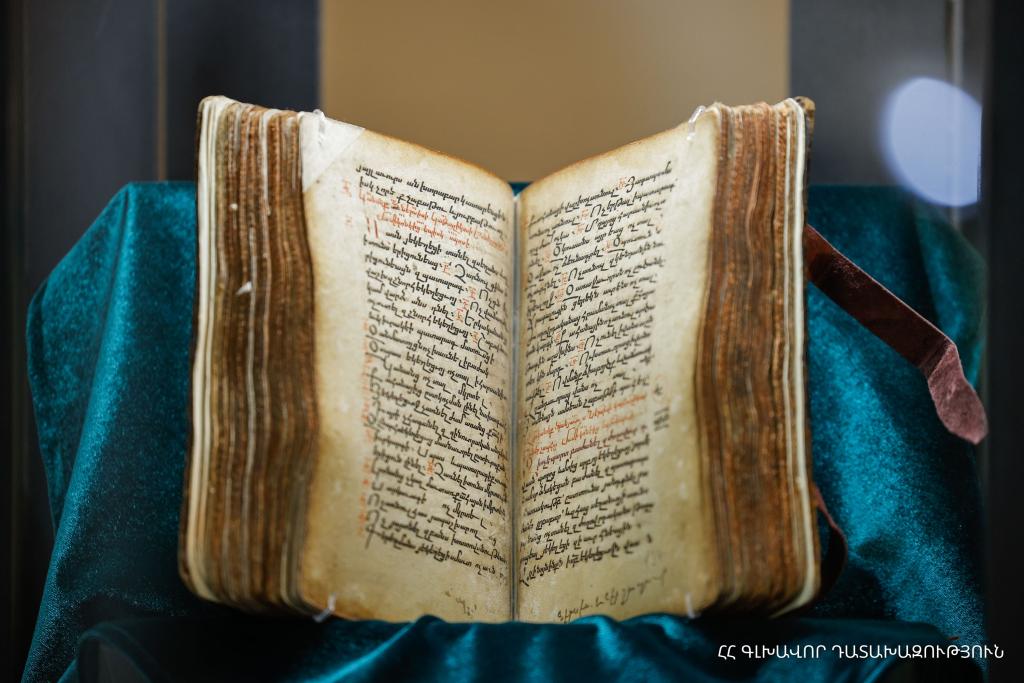
Following the opening ceremony, the manuscript of the Lawcode was exhibited — brought from the Armenian Patriarchal Congregation of Bzommar with the support of Rev. Narek Louissyan, Vice Superior of the Convent and Director of the Matenadaran’s Library and Museum. It should be noted that the manuscript will be presented at the Matenadaran in the coming days.